A coach-led cohort for students aged 11–16. Each session runs 12:00pm – 2:00pm — watch a lesson together, then put it straight to work in a hands-on workshop. No coding, and no prior AI experience needed.
Every Saturday 12:00pm – 2:00pm, with a break on Sat, Oct 17. Runs through Sat, Nov 7.
Registration is handled by OC Music & Dance, who host the classes.
AI is already reshaping how students learn, create, and compete. The ones who thrive won't just be the ones who use AI the most — they'll be the ones who direct it. Anyone can follow an AI prompt. Your child will learn to be the one giving the commands.
AI Explorers gives young learners a structured, engaging path to understand AI as a thinking tool — not a shortcut. Each lesson is built around a real skill, a real project, and a real ethical foundation. Because knowing how to use AI means nothing without knowing when, why, and whether you should.
Students who complete the program leave knowing how to direct AI tools with purpose — giving clear instructions, evaluating outputs critically, and building things that actually work. Skills that transfer to every subject, every career, and every field AI touches — which is all of them.

Learn the art and science of communicating with AI systems.
Learn how to design and deploy your first AI-powered automation workflow.
Learn how to generate images, video, audio, and written content with AI tools.
Understand AI ethics, hallucinations, and responsible use.
Each unit builds on the last — from AI fundamentals all the way through building real tools, thinking critically, and leading with integrity in an AI-powered world. Complete all 16 lessons and pass each unit quiz to earn a certificate.
How AI learns, where it came from, and why human direction still matters most.
The 3-part formula, the 4Rs meta-prompt, and iterating with chain-of-thought.
Painting with words, art direction, mood, and consistent visual style.
Directing AI-generated video and audio scene by scene.
Design a real AI Blueprint and turn it into a working assistant.
Triggers, actions, and AI agents that pursue goals on their own.
Vibe-coding apps and tools — no prior coding experience needed.
Spotting hallucinations, fact-checking, ethics, and AI-powered studying.
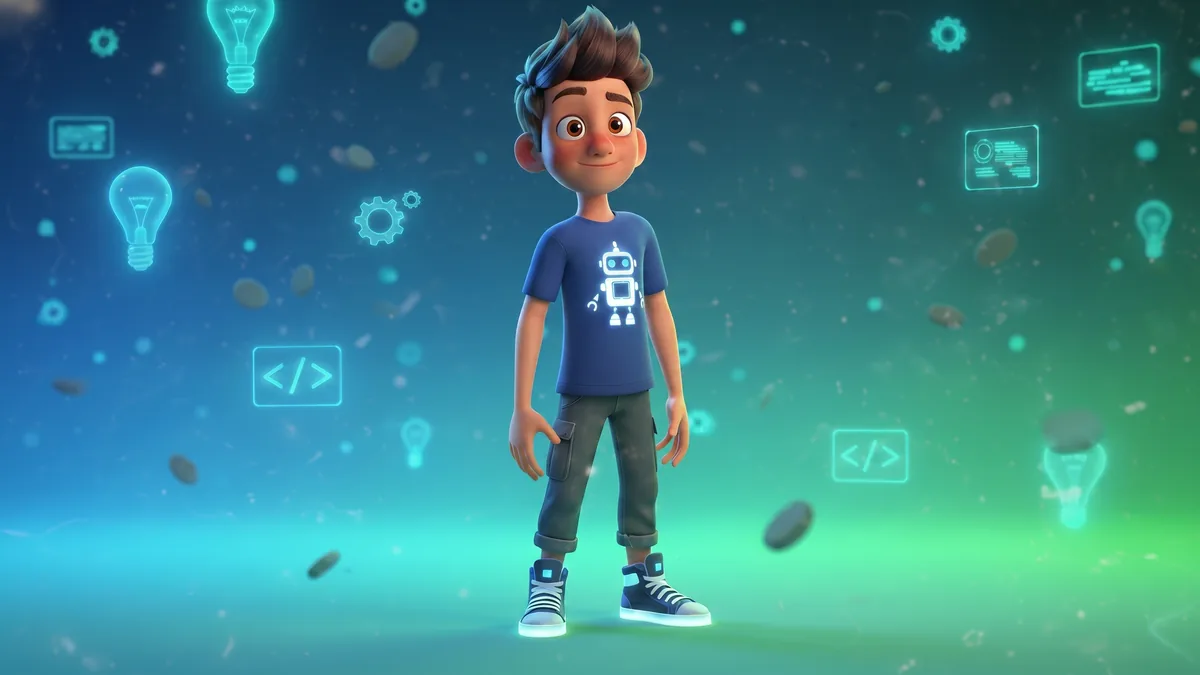
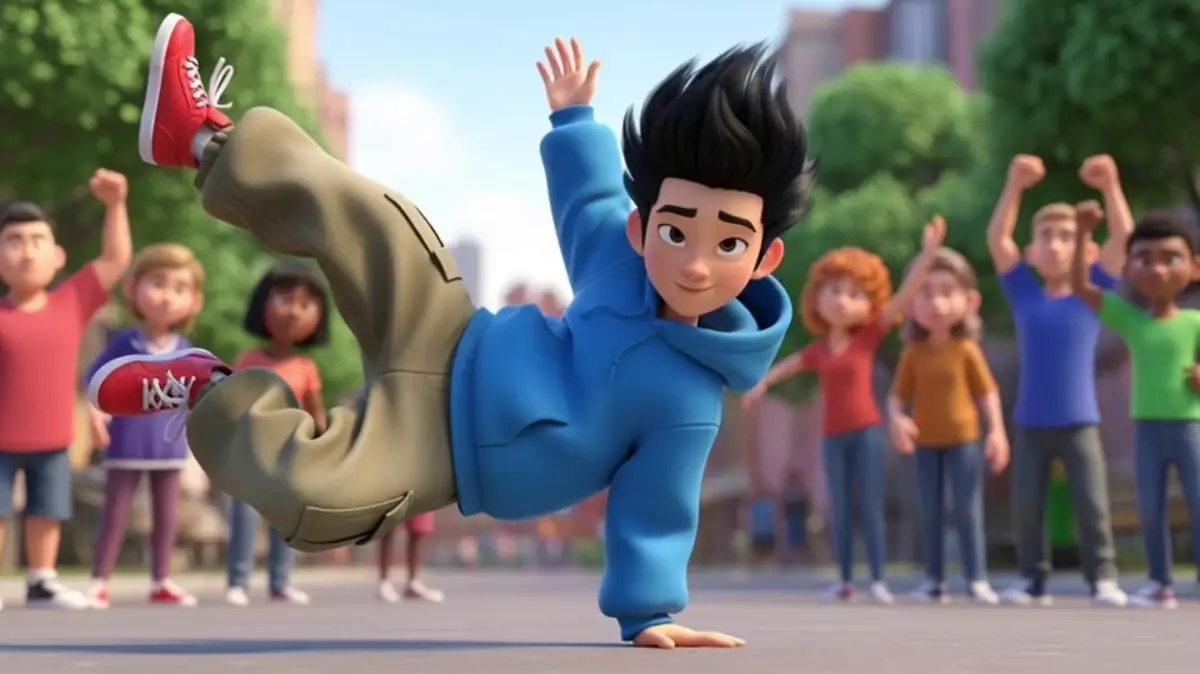
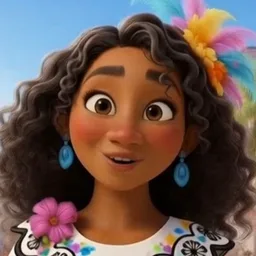
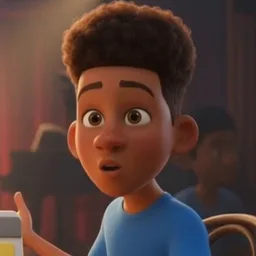
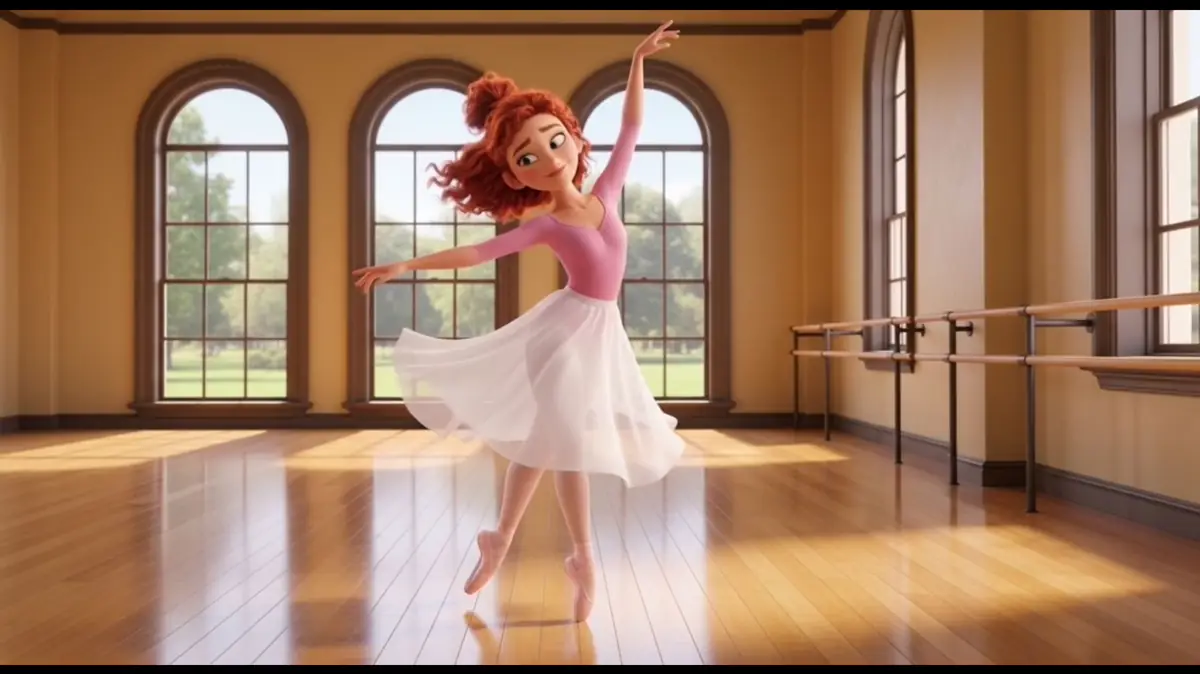
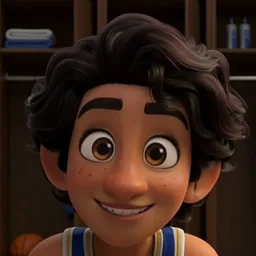
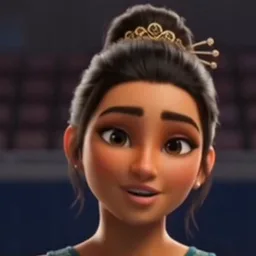
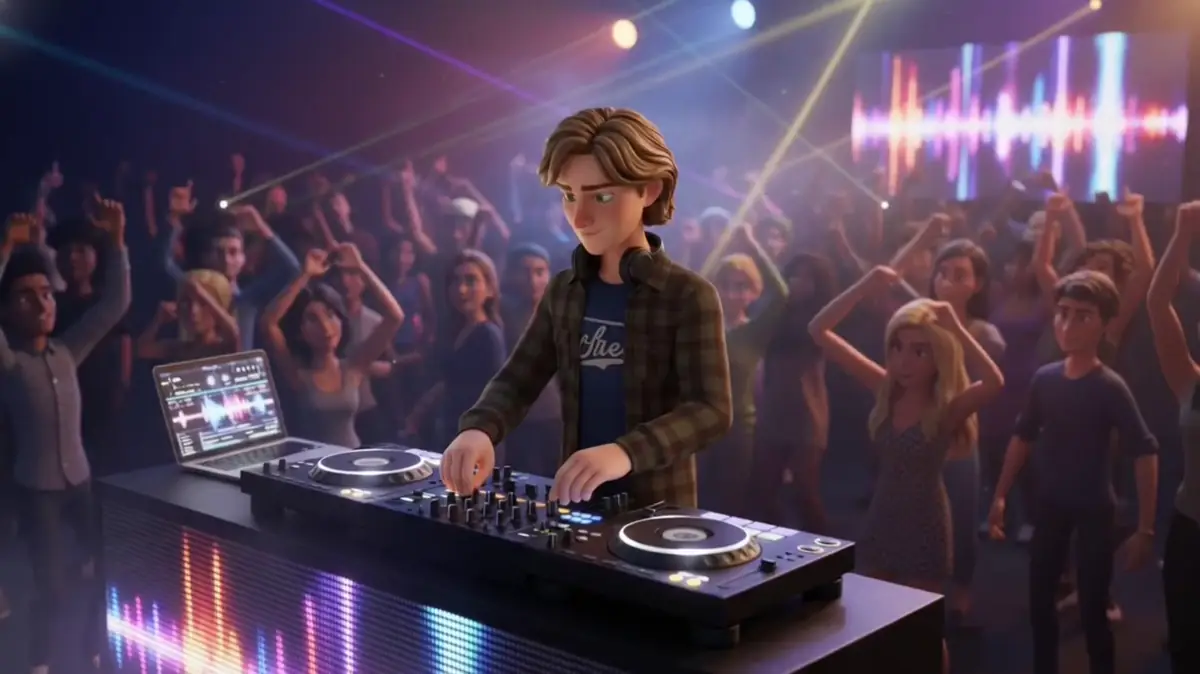
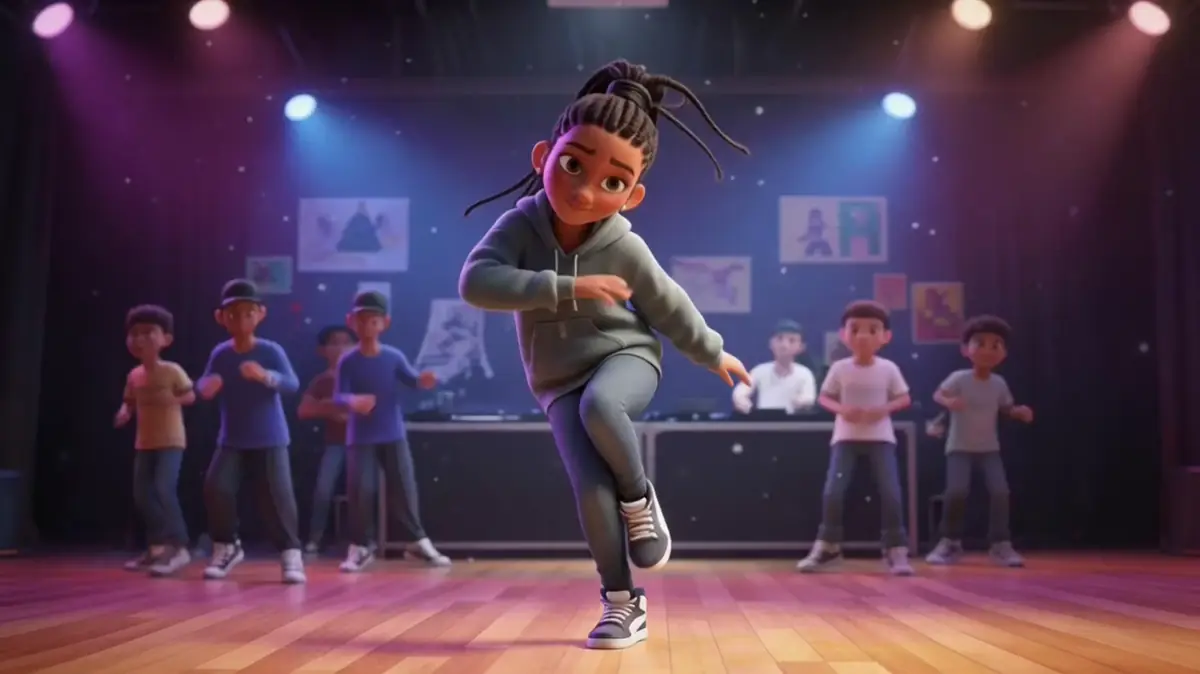
Every video lesson is led by a different student character — each with their own background, skill, and story. They make the concepts real because they live them. Then your in-class coach takes it from there.
"Everyone uses AI. Almost no one understands it."
You're about to become someone who does. Atlas opens the program with the one thing most people skip — what AI actually IS, where it came from, and why the next few years belong to people who get it. Curious? Good. That's the first skill.
Your journey starts here.
"Everyone uses AI. Almost no one understands it."
You're about to become someone who does. Atlas opens the program with the one thing most people skip — what AI actually IS, where it came from, and why the next few years belong to people who get it. Curious? Good. That's the first skill.
Are we competing… or are we teammates?
"AI can scan a million photos in a minute. You can't."
But there's something YOU can do that AI absolutely cannot — and most people get this completely backwards. Maya breaks down what each side does best, why teaming up is the secret, and the moment everything changes: when you realize you're the director, not the passenger.
Why your prompts are getting you nowhere.
"Have you ever typed something into AI and gotten back a totally useless answer?"
It wasn't AI's fault. It was your words. Kai shows you the one shift that turns AI from frustrating to unstoppable — the same shift that separates people who get amazing results from everyone else. By the end, you'll never look at a prompt box the same way.
Four ingredients. Outstanding results. Every time.
"Most people throw words at AI and hope something good comes back."
There's a better way — and it fits on a single card. Iara hands you the framework professionals use to get exactly what they want from AI, every single time. You'll walk away with your own personal prompt card you'll actually keep using.
Your first prompt is just the starting line.
"What do you do when even your best prompt isn't quite right?"
Carter reveals the loop that turns good AI users into great ones — a skill so powerful it works far beyond AI. Plus a single trick that makes AI dramatically smarter on hard problems. (Most people have no idea this exists.)
Your words are a paintbrush.
"She made a stunning piece of art in 30 seconds. With zero art skills."
And it wasn't luck. Colette, a teenage ballerina, shares the five-ingredient recipe behind images that actually look incredible — plus the one question every AI artist needs to ask before hitting share. The more specific you are, the more vivid the picture.
The best AI artists aren't lucky.
"Why do some people's AI images always look amazing — and yours don't?"
It's not the tool. It's the toolkit. Emilio breaks down the four moves real art directors use to control style, mood, and feeling in every single image — including the trick that tells AI exactly what NOT to make. Stop hoping. Start directing.
AI can make videos now. Real ones.
"Plot twist: Mei's voice in this lesson? AI generated it."
And by the end, you'll know exactly how she did it — and how to direct your own AI-generated story, scene by scene. Camera angles, audio tones, the works. Plus an honest conversation about deepfakes that every creator needs to hear.
Plan first. Then climb.
"What if AI worked for YOU — independently, on its own?"
Nico designed an AI climbing companion named Scout that researches routes, flags weather, and tells him when to turn back. He didn't write any code. He planned out its 5 layers on paper first. And by the end of this lesson, you'll have planned yours too — for an AI you actually want.
Your plan becomes a real, working AI.
"You designed an AI assistant. Now what?"
Haven takes your prior lesson and turns it into something that actually works — a real, custom AI you built yourself. She walks you through testing, debugging, and one ethical question every builder has to answer before they ship anything. (Yes, you'll have a working AI by the end.)
Run the play.
"What if your phone automatically did the boring stuff — without you?"
Jalen, a teenage wide receiver, shows how AI automation works exactly like a football play: someone calls it, the system runs it, and a coach watches from the sideline. Build your first automation, learn the one rule of when NOT to automate, and reclaim hours of your week.
An agent doesn't just follow orders — it makes decisions.
"What's the difference between AI doing a task and AI pursuing a goal?"
Ananya, a competitive gymnast, uses an unexpected metaphor — a gymnastics routine — to make this click. You'll design an AI agent that can think on its feet… and learn the one thing every great agent designer knows: where the routine ends and YOU step in.
You don't play every instrument. You direct the sound.
"What if you could build a real, working app — without writing a single line of code?"
Luke, a teenage music producer, built a music app last Tuesday. His whole class uses it now. The skill? It's the same one a great producer uses in the studio every day. By the end of this lesson, you'll know how to build something real of your own — yours, working, live.
AI can be confidently, completely wrong.
"Soleil almost stood in front of her whole class and said something that wasn't true."
AI told her — confidently, with detail, sounding totally legit. The scariest part? AI never tells you when it's making things up. Soleil shares the exact 3-step move she uses now to catch it every time. This one might be the most important lesson in the whole program.
Powerful tools come with real responsibility.
"Seo almost made a mistake online he couldn't take back."
He thought he was doing everything right with AI — until he wasn't. Now he's sharing what he wishes someone had told him first: the six things every creator needs to think about before they hit publish. No lectures. Just real talk from someone who learned the hard way.
Skip the thinking… or build the thinking?
"Audrey wrote a song with AI. Her teacher asked her to explain it. She had nothing to say."
The song wasn't really hers. And she hadn't actually learned anything. That moment changed how she uses AI forever. Audrey shares the one question that determines whether AI makes you smarter or hollows you out — and exactly how to prompt for the better outcome.
Sign up your student for the AI Explorers class through the enrollment form. Our team confirms their seat and shares the schedule.
Students join their cohort in class. An OCMD coach walks them through each video lesson, then leads a hands-on workshop where students apply the concepts on the spot — writing real prompts, generating images and video, and building their own AI tools side by side with the coach.
Complete all 16 lessons and pass the unit quizzes — your student earns an AI Explorers Certificate of Completion to keep and share.
Describe how AI learns from data, why it makes mistakes, and why the human giving the instructions is always the most important part of the equation. Most adults can't do this.
Apply a professional-grade framework — Role, Rules, Realness, Reliability — to any AI task. A named, repeatable system that turns vague questions into precise instructions.
Know that the first prompt is just the starting line. Use iteration and chain-of-thought techniques to tackle harder problems — the move that separates good AI users from great ones.
Learn how to generate and direct professional-quality creative media — image prompts with mood and style, AI video scene-by-scene, and AI-generated audio, using the same tools professionals use today.
Learn how to write a real AI agent job description, design an AI Blueprint document, and what it takes to deploy a working custom AI — not just thinking about using AI, but understanding how to build it to solve a real problem they identified.
Learn vibe-coding — how to describe what they want in plain language so AI can write the code, then walk through generating, debugging, and deploying a working tool. No prior coding experience required.
AI can be confidently, completely wrong. They'll learn the exact fact-checking process Soleil uses to catch it every time — a skill that matters far beyond AI.
Apply the AI Responsibility Code and Audrey's learning partner method: the one question that determines whether AI builds their thinking or hollows it out. The most important lesson in the program.
In a world where AI can be used for shortcuts, misinformation, and manipulation — we're raising the generation that knows better. Every unit in AI Explorers includes lessons on ethics, integrity, and responsibility. Students don't just learn what AI can do. They learn what kind of person they want to be while using it.
Ethics, hallucination-spotting, fact-checking, and the AI Responsibility Code aren’t bonus content. They’re woven into every one of the 8 units, so students never learn a new AI skill without learning how to use it well.
Hard topics deserve real conversations, not just video lessons. Your student’s OCMD coach leads classroom discussions on integrity, when AI helps and when it harms, and the kinds of choices that build — or break — trust.
Every lesson gives students a clear takeaway they can talk through with you at the dinner table. AI literacy works best as a family conversation — and you don’t need a tech background to be the partner they need.
Our AI Responsibility Code isn't a checkbox. It's a commitment.